



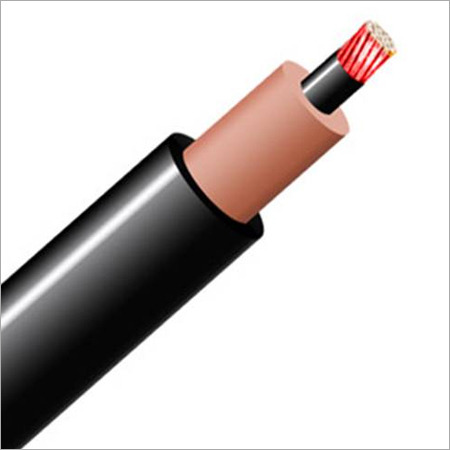
High Voltage Cables
Product Details:
- Usage & Applications Industrial, Utility, Substations, Underground, Overhead
- Armored Material Steel Tape/Wire
- Features High flexibility, weather resistant, high voltage insulation, durable, fire retardant
- Diameter As per standard/specification
- Insulation XLPE
- Core Number 1, 3
- Core Material Copper/Aluminum
- Click to View more
X
High Voltage Cables Price And Quantity
- 100 Meter
High Voltage Cables Product Specifications
- High Voltage Power Cable
- Single Core, Three Core
- High Voltage Cable
- PVC (Polyvinyl Chloride)
- Underground, Duct, Tray, Direct Buried
- Stranded
- Customized as per specification
- Round
- >12.5 N/mm²
- 23 kV (for 11 kV cable)
- 16 sq mm to 400 sq mm
- Aluminum/Copper
- 1, 3
- Copper/Aluminum
- Copper Tape
- Black
- Varies with size and length
- 11 kV to 33 kV
- Black
- Black
- XLPE (Cross Linked Polyethylene)
- Industrial, Utility, Substations, Underground, Overhead
- Steel Tape/Wire
- Power Transmission and Distribution
- High flexibility, weather resistant, high voltage insulation, durable, fire retardant
- As per standard/specification
- XLPE
- As required/customized
- XLPE, PVC, Copper/Aluminum
- Up to 1000 meters (customized as per requirement)
- 15 x Cable OD
- Maximum 250C for 5 seconds
- Passed as per IS Standards
- Wooden Drum or Coil
- As per IS: 7098/IEC 60502 Standard
- RoHS Compliant
- IS: 7098, IEC 60502, ISO 9001:2015
- Copper/Aluminium wire/tape screening
- UV, Chemical, Moisture, and Oil resistant
- Outdoor / Indoor / Harsh and Hazardous areas
- Up to 39 kV (for 33 kV cable)
- Extruded PVC (Heavy Duty)
High Voltage Cables Trade Information
- 50000 Meter Per Month
- 2 Week
Product Description
With our vast experience in this domain, we are involved in offering our customers highly durable range of High Voltage Cables. These cables are manufactured using best quality raw materials which are sourced from some of the most trustworthy associates of the market. These High Voltage Cables are widely used for transmission of electrical power in various industries. Moreover, the offered cables are installed as permanent cabling within buildings, buried in the ground, run overhead, or exposed.
High Voltage Cables
There are different causes for faulty cable insulations. Hence, there are various test and measurement methods to prove fully functional cables or to detect faulty ones. One needs to distinguish between cable testing and cable diagnosis. While cable testing methods result in a go/no go statement cable diagnosis methods allow judgement of the cables current condition. In some cases it is even possible to locate the position of the fault in the insulation... One of the favorite testing methods is VLF cable testing. Using a very low frequency voltage with frequencies in the range of 0.1 to 0.01 Hz protects the device under test from deteriorating due to the test itself, as it used to be with DC testing methods in the older days. Depending on the sort of treeing in the insulation two cable diagnostics methods are common..Water trees can be detected by tan delta measurement. Interpretation of measurement results yield the possibility to distinguish between new, strongly aged and faulty cables and appropriate maintenance and repair measures may be planned. Damages to the insulation and electrical treeing may be detected and located by partial discharge measurement. Data collected during the measurement procedure is compared to measurement values of the same cable gathered during the acceptance-test. This allows simple and quick classification of the dielectric condition of the tested cable. .
Heavy Duty Construction with Superior Resistance
Manufactured with an extruded PVC sheath and XLPE insulation, these cables offer exceptional resilience against harsh elements such as UV, chemicals, moisture, and oils. The robust outer jacket and fire-retardant design provide reliable performance in both outdoor and indoor locations, including hazardous or demanding industrial sites where durability is paramount.
Certified Safety and High Voltage Performance
Meeting stringent IS: 7098 and IEC 60502 requirements, our high voltage cables are spark-tested, RoHS compliant, and ISO 9001:2015 certified for quality assurance. They reliably operate in power transmission systems up to 33 kV, with a proven dielectric strength of 23 kV for 11 kV cables to ensure safe and uninterrupted energy distribution.
Flexible Customization and Versatile Installation
Available in a variety of sizes (16 sq mm to 400 sq mm), lengths (up to 1000 meters), and configurations (single or three core), these cables adapt to project-specific needs. With options for armored steel tape/wire, copper or aluminum conductors, and multiple installation methodsunderground, duct, tray, or direct buriedthey deliver flexibility for numerous installation scenarios.
FAQs of High Voltage Cables:
Q: How are these high voltage cables typically installed in industrial or utility settings?
A: These cables can be installed using multiple methods, including underground laying, in ducts, on cable trays, or through direct burial, making them ideal for both indoor and outdoor power transmission and distribution in substations, industrial complexes, and utility networks.Q: What resistant properties ensure durability and reliability of the cables in harsh environments?
A: The cables feature heavy-duty extruded PVC sheath and XLPE insulation which provide robust resistance against UV rays, chemicals, moisture, and oils. They are also fire retardant, making them suitable for harsh and hazardous operating conditions.Q: When should I specify a particular core or conductor configuration for my project?
A: The choice between single core and three core, as well as copper or aluminum conductor material, depends on your projects voltage requirements, installation method, and load characteristics. Our cables are customizable to match your specific demands and optimize performance and safety.Q: Where are these high voltage cables most commonly used?
A: They are widely used in power transmission and distribution for industrial facilities, substations, underground and overhead lines, as well as other utility and infrastructure projects that demand high voltage and reliable operation.Q: What certifications and standards do these cables comply with?
A: These high voltage cables are certified to IS: 7098, IEC 60502, and ISO 9001:2015 standardsensuring compliance with stringent quality and safety regulations. They are RoHS compliant and pass spark testing as per IS standards.Q: How does the high short circuit temperature rating benefit operational safety?
A: The cables can withstand short circuit temperatures up to 250C for 5 seconds, significantly reducing the risk of insulation damage or system failure during electrical faults. This enhances system safety and longevity in critical applications.Q: What customization options are available for size, length, and cable configuration?
A: We offer a wide range of conductor sizes (16 sq mm to 400 sq mm), lengths up to 1000 meters, and options for conductor material (copper or aluminum), number of cores, screening types, and armor. Packaging can be customized as wooden drums or coils to best suit your installation and logistical needs.Tell us about your requirement

Price:
Quantity
Select Unit
- 50
- 100
- 200
- 250
- 500
- 1000+
Additional detail
Mobile number
Email

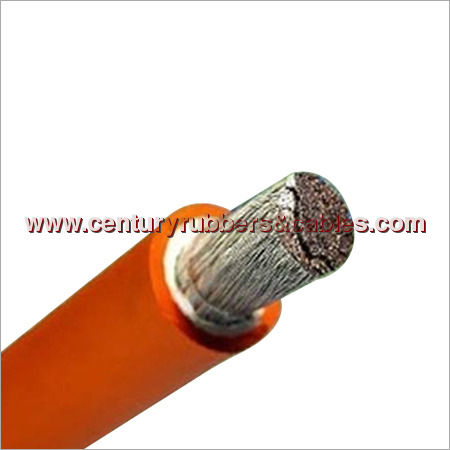
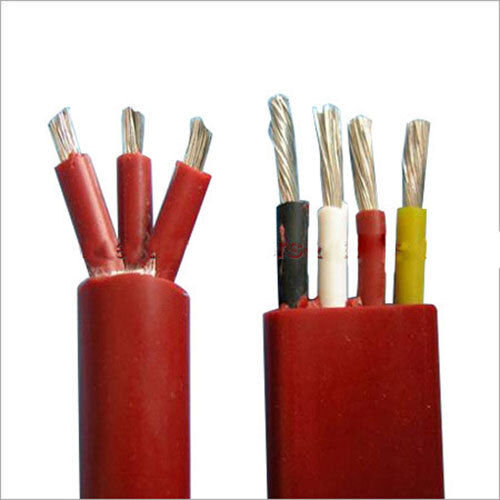
Other Products in 'Rubber Cables' category



CENTURY RUBBER & CABLE INDUSTRIES
GST : 27ABWPS9199P1ZW
GST : 27ABWPS9199P1ZW
Contact Details

- G-1, 2 & 9, Jay Vailankanni Industrial Estate, United Rubber Compound, Thane,Thane - 401105, Maharashtra, India
- Phone :07971671019

- Mr Rajendra N. Songaonkar (Proprietor)
- Mobile :07971671019

 Send Inquiry
 Send SMS
CENTURY RUBBER & CABLES INDUSTRIES
All Rights Reserved.(Terms of Use)
Developed and Managed by Infocom Network Private Limited.
Developed and Managed by Infocom Network Private Limited.

